Visual Culture视觉文化 · Opinion观点
Published已发布
Looking at Images With Better Questions
Better visual analysis begins with what can be observed in an image, then tests interpretations against sequence, context, and consequence.
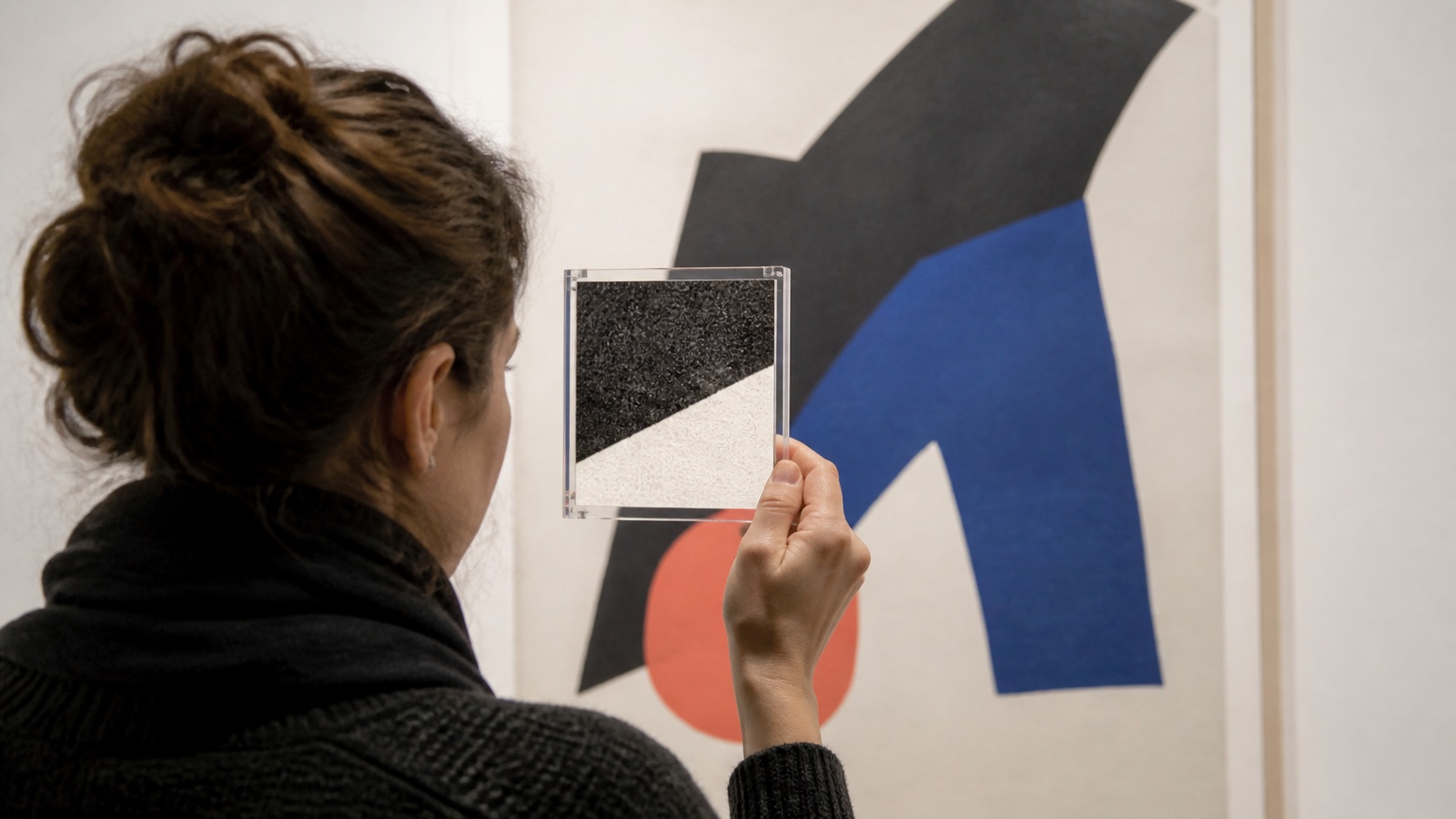
AI assistance disclosureAI 辅助披露
This article was created with AI-assisted editorial tooling and may be updated as part of ongoing editorial review.
Key takeaways核心要点
- Describe framing, contrast, timing, and visible action before assigning meaning.
- Ask what an image changes in the sequence, not only what it resembles.
- Hold interpretations as hypotheses when the available evidence is limited.
Images encourage quick conclusions: a close crop feels intimate, a dim hallway feels unsafe, a red object feels urgent. Those associations can begin an interpretation, but they are not evidence by themselves. Better questions separate what is present in an image from what the viewer infers, then test the inference against context.
Accessibility guidance offers a useful parallel. W3C’s image tutorials ask authors to consider the purpose of an image before writing text about it. That does not turn visual analysis into a checklist. It does encourage a practical question: what information or function would be lost if this image were absent?
Describe before interpreting
Start with observable facts. Where is the subject placed? What is cropped out? What is in focus? Which elements recur? Is there visible text, an action, or a spatial relationship? These details give an interpretation something to stand on.
For a shot of a hand holding a key near a door, an observation can identify the centered key, the unseen face, and the pause before movement. “The character is afraid to enter” is an interpretation. It may be plausible, but it becomes stronger only when the surrounding scene supports it. Naming the difference leaves room for the next image to change the reading.
Ask what the image does
Instead of asking only what an image symbolizes, ask what it changes for the viewer. It may establish a location, direct attention to an object, make a relationship newly visible, or offer needed information to someone using assistive technology. Decorative images have a different function from images that carry essential content, and their descriptions should reflect that difference.
This question is useful for makers as well. If a visual is essential to understanding a choice, can its role be conveyed through the sequence, a caption, or an appropriate text alternative? If not, the issue may be a storytelling problem as well as an accessibility one.
Keep interpretations proportionate
An image of a place, identity, or social situation rarely supports a broad claim on its own. State what is visible, explain the limited inference, and acknowledge evidence that is absent. Cooper Hewitt’s accessibility resources also point toward the wider practice of designing for more than one mode of attention and access.
Better questions do not remove feeling from viewing. They make feeling more accountable. They allow an image to be expressive while keeping the viewer alert to the distance between a compelling first impression and a conclusion the evidence can support.
In review, write the observation and interpretation in separate lines. Then ask a colleague whether the interpretation follows from the frame, the sequence, or their own association. This small exercise makes disagreement productive: one person may notice a practical detail another overlooked, while another may identify an assumption that needs evidence. The result is not a single correct reading. It is a clearer account of what the image can reasonably support. That clarity helps editors decide whether to keep a frame, change its context, add necessary description, or let ambiguity remain intentional.
For published work, this practice supports more inclusive access as well as stronger criticism. An author of alt text does not need to translate every aesthetic response into a sentence, but they should communicate information necessary to understand the image’s role. Reviewing that distinction can reveal when an image is carrying more narrative weight than the page structure acknowledges. The best question remains concrete: what should a person be able to know or do after encountering this visual?