Visual Culture视觉文化 · Guide指南
Why an Image Needs a Narrative Job
A visual choice becomes useful when it changes what a viewer can notice, anticipate, or question in the next beat.
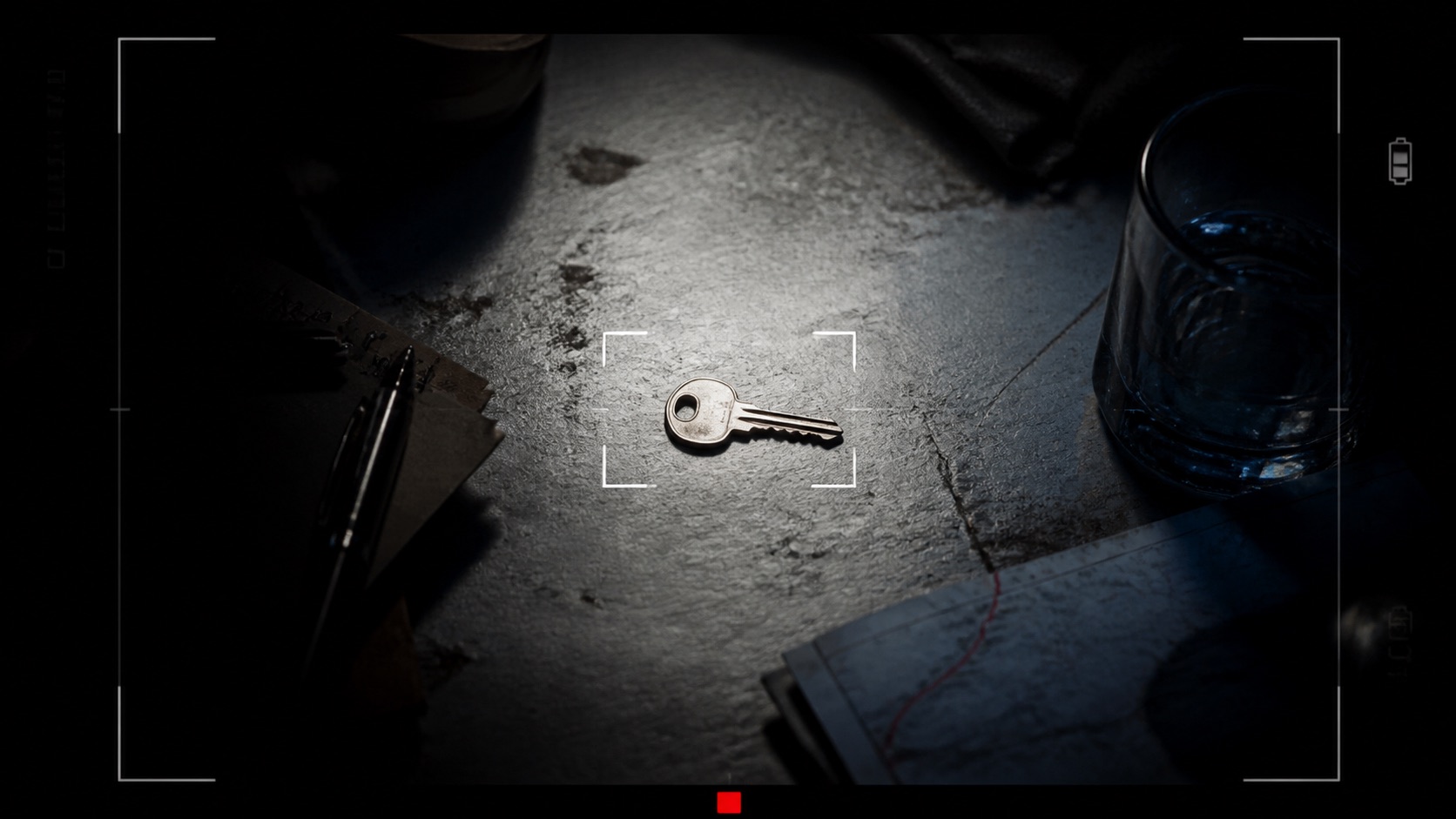
Key takeaways核心要点
- Give a key image a sentence-length job before discussing its polish.
- Judge a visual decision by the consequence it creates in the following beat.
- Leave room for a viewer to infer rather than turning every image into an explanation.
An image can be attractive, technically precise, and still do very little for a story. The missing question is often not “Does this look good?” but “What changes because this is the image we chose?” A narrative job gives a frame a reason to exist in the sequence. It might orient a viewer in a new place, make a relationship feel uneven, delay a reveal, or let a small object become meaningful before anyone mentions it aloud.
That does not mean every shot needs a hidden symbol. A useful job can be plain. A wide frame of an empty worktable might establish absence; a cropped view of the same table later can make the missing item feel deliberate. The value comes from the change in reading between moments, not from a claim that the image is inherently profound.
Start with the next beat
One practical way to name an image’s job is to look forward rather than inward. Ask what the viewer should be ready to notice after this frame ends. If the next scene asks whether two people trust one another, an image of one person silently adjusting the other’s sleeve can prepare the question without announcing it. If the next scene turns on a new constraint, a clear view of the setting may be more valuable than a dramatic angle.
This is a local decision, so it benefits from local language. “Introduce pressure between them” is easier to test than “make it cinematic.” In a hypothetical scene set in a waiting room, a visual team might choose between a glossy close-up of a clock and a wider view that places two strangers at opposite ends of a bench. The close-up may offer mood; the wider view can establish distance. Neither is automatically better. The intended next beat decides.
Separate appearance from consequence
Style is the way an image is made visible: its grain, contrast, palette, lens feeling, or graphic treatment. A narrative job is the effect the image has on attention. They can support each other, but they are not interchangeable. Soft shadow may make a room feel private; it does not, by itself, tell us why we should study the room.
Try a simple replacement test. Describe the frame in functional terms, then imagine replacing it with a neutral, competent alternative. If the following scene reads exactly the same, the original may be surface decoration. If the replacement makes an action confusing, erases a question, or shifts whom the viewer watches, the image has earned a specific job. This test protects experimentation too: a frame can be strange or beautiful as long as the sequence can say what it gains from that strangeness.
The test should not become a demand for literalness. Viewers enjoy making connections. An image that establishes a question can be more durable than one that delivers an answer. The aim is a legible invitation, not a diagram.
Give the team a checkable brief
Before a shoot, design pass, or edit, write one sentence in the margin: “This image should make the viewer notice ___ before ___ happens.” The blank may name a boundary, an object, a power difference, or a detail of routine. A second sentence can identify the risk: “Do not make the answer obvious yet.” Those two lines turn a vague aesthetic conversation into a decision that collaborators can challenge constructively.
Review the image at normal viewing size and in sequence. Is the important relation visible long enough to register? Does a caption, cut, or sound cue do all the work instead? Is the frame asking the audience to notice more than the format can reasonably carry? These questions are especially useful for small screens, where an elegant detail may become unreadable while a simpler arrangement remains expressive.
Let the job stay flexible
An image’s job can change during editing. A frame planned as orientation may become a pause, or an incidental reflection may become the cleaner setup for a later reveal. That is not failure; it is an observation to be evaluated against the sequence. The mistake is treating the original plan as proof that the image works.
Good visual storytelling makes its labor feel natural. Viewers should not need to name the job for it to matter. They only need to arrive at the next beat with the right question, attention, or sense of scale. When an image accomplishes that modest task, its style has somewhere to land.