Visual Culture视觉文化 · Opinion观点
The Editorial Logic of a Close-Up
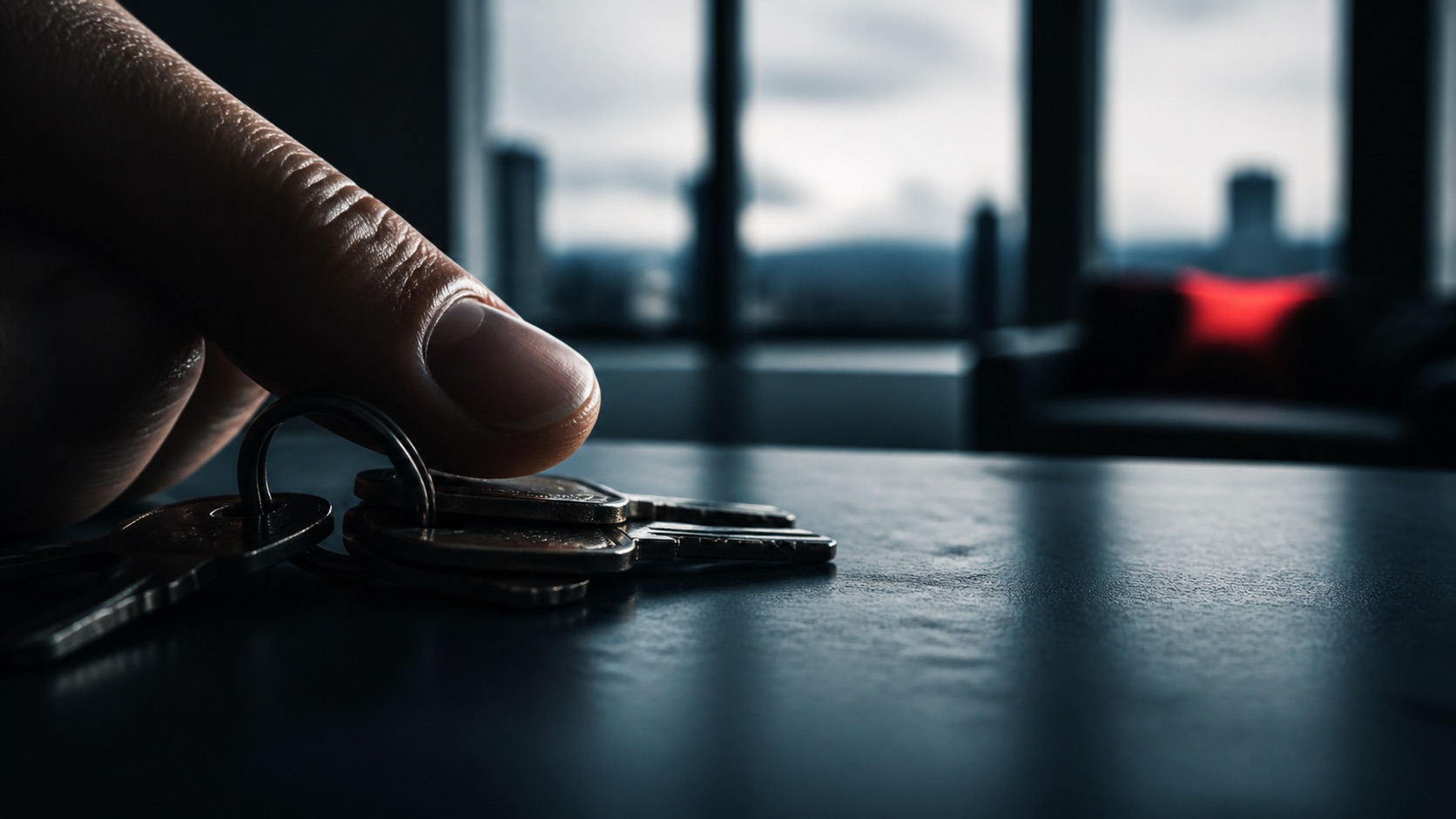
A close-up earns its intensity by selecting a detail whose pressure changes the way a viewer reads the surrounding scene.
Key takeaways核心要点
- Use a close-up to alter a viewer’s relation to a detail, not merely to increase intensity.
- Give the viewer enough surrounding context before or after the crop.
- A held close-up can create thought; a rapid one can create a cue. Choose deliberately.
A close-up changes the terms of looking. It limits the field, increases the scale of a detail, and tells viewers that this face, hand, object, or interface state may matter more than the rest of the scene for a moment. That is powerful, but power is not the same as purpose. A close-up that arrives only because a scene needs “emotion” can make feeling feel generic rather than precise.
The editorial question is simple: what does the close-up let the viewer read that the wider scene cannot? The answer might be a delayed reaction, a reluctant action, a trace of use, or an ambiguity that needs time. If there is no answer, a wider frame may be more generous to the scene.
Crop toward a changing relation
Close-ups work especially well when a relation is changing. A hand hovering above an unopened message, for example, can show hesitation without telling us why it exists. A face listening rather than speaking can make the viewer reconsider a previous line. The crop does not deliver a conclusion; it makes a small piece of evidence difficult to ignore.
In a fictional exchange between two friends, a close-up on a cup being turned slowly on a table could be empty if it has no connection to the dialogue or next action. It can become useful if the rotation is the first sign that one person is preparing to leave. The significance belongs to the sequence, not to the object’s visual attractiveness.
Give the detail a world around it
An isolated detail can become abstract. The viewer may see an expressive face but not know what situation is being answered. Context can arrive before the close-up, after it, or within a small part of the frame. A prior wide shot may establish where the person is; a cut back to another character may reveal what the reaction changed.
This does not mean every close-up needs a complete explanation. It means the audience needs enough orientation to make an observation. A close crop can withhold a motive while still making the active relationship legible. The difference is between inviting interpretation and asking viewers to guess the basic subject of the scene.
Set the duration by the task
A very short close-up can function like punctuation. It directs the eye to a clue before the scene moves on. A longer hold can create a space for doubt, recognition, or discomfort. Neither duration is more serious. The duration should match the work the image must do.
Review the edit without sound and then with sound. Does the close-up still identify the intended detail without dialogue propping it up? Does sound create a different emphasis than the crop? These checks reveal whether the image has its own task or simply duplicates another channel.
Avoid using proximity as a shortcut
Closer does not always mean deeper. Repeated close-ups can narrow a story until its setting, bodies, and relationships lose scale. Use proximity where it changes attention, then return to wider context when the world needs to be felt again.
The best close-ups make viewers notice an active detail and carry that observation forward. They do not demand emotion. They create the conditions in which emotion, uncertainty, or recognition can become specific.