Streaming Distribution流媒体与发行 · Production Method制作方法
The Handshake Between Editorial and Platform
A reliable handoff pairs approved story context with the technical and operational information needed to present it faithfully.
Key takeaways核心要点
- Handoffs should include a canonical package, not scattered attachments.
- Editorial and technical owners need a shared language for changes and exceptions.
- A final page review catches context lost between approved assets and presentation.
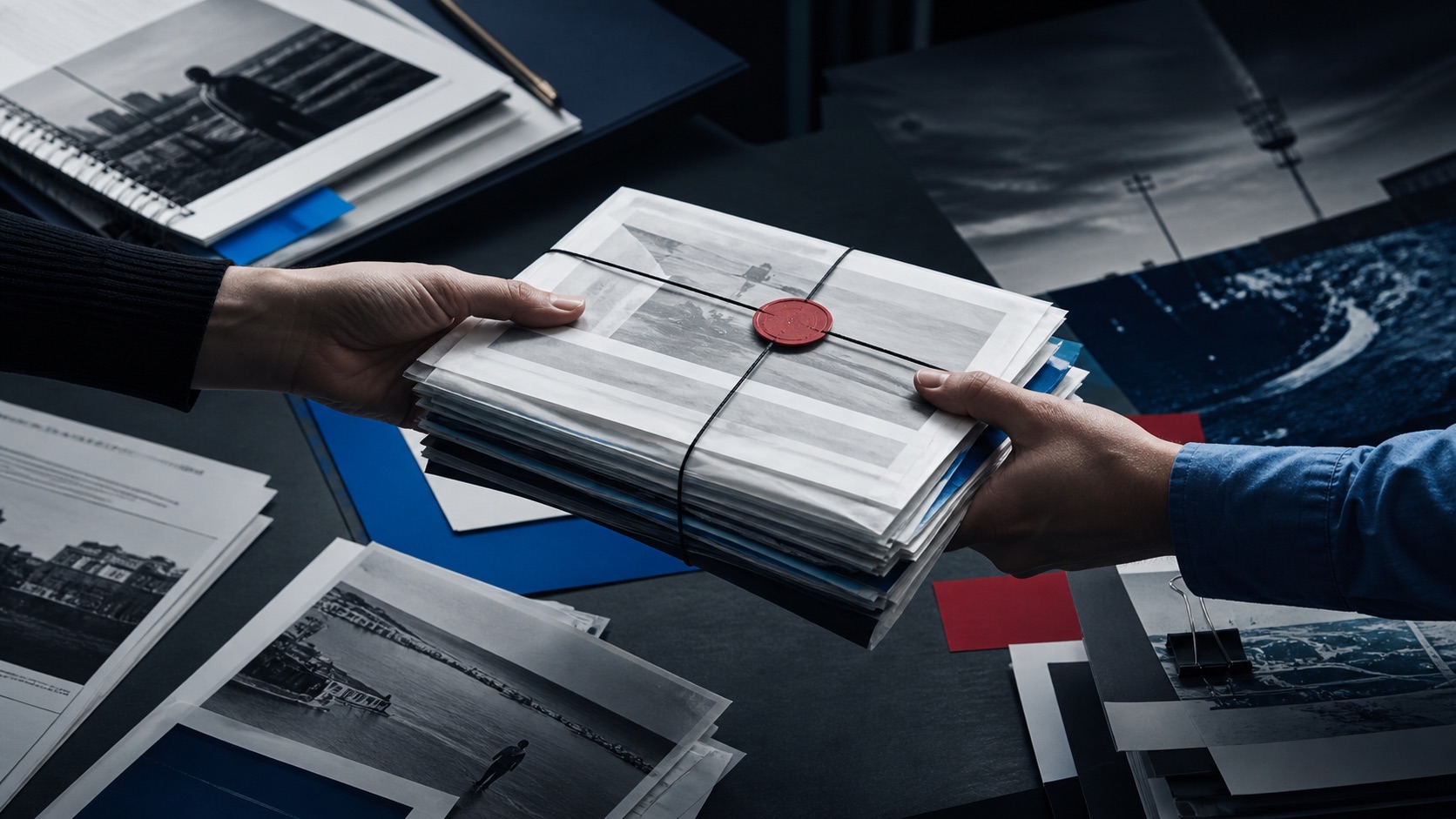
The handoff between editorial and platform work is often described as a file transfer. It is better thought of as a translation. Editorial teams provide a story’s public meaning; platform teams make that meaning appear in a real interface, with real fields, responsive images, navigation, and accessibility behavior. Neither side can do the other’s work by assumption. The result is strongest when the package carries both the approved language and the context needed to use it correctly.
Scattered links, last-minute messages, and unnamed image versions make this translation fragile. They encourage reasonable guesses that later become public inconsistencies. A single canonical package reduces guessing without requiring a heavy new system.
Hand over a readable package
At minimum, provide the confirmed title, short and long descriptions, episode order, category, tags, image files with intended use, alt text, credits, relevant content notes, and the preferred path for starting the series. Include status: final, pending review, or not for public use. A clear status prevents a placeholder draft from becoming a public assertion.
The package should also explain exceptions. If a horizontal image is approved only for the series page, say so. If an episode title has an intentional punctuation choice, make it explicit. If copy must not be shortened beyond a certain point because it loses the premise, include a compact alternative rather than hoping someone will improvise one.
Agree on change language
Teams need a simple way to distinguish a spelling correction from a material editorial change. A corrected runtime may be a routine update. Replacing a category or rewriting a description can alter a viewer’s expectation and should return to editorial review. Establishing these levels prevents both unnecessary bottlenecks and silent drift.
Use a change note with the field, reason, owner, and whether the change must be reflected on other surfaces. This is especially helpful when a series appears in a card, a landing page, an episode list, and a search result. One correction may need to travel to all four.
Review the rendered result together
The final handoff is not complete when files are uploaded. Someone from editorial should read the rendered page while someone familiar with the delivery setup checks the actual links, image crops, labels, and media. This is where a valid file can still reveal an invalid experience: a dek truncates before its premise, a thumbnail crops out its focal subject, or an episode is listed without its number.
Treat this review as a shared reading of the same page, not a blame exercise. It turns a technical completion into a public-facing verification. The handshake is successful when the delivered surface still says what the editorial team meant to say.
When an issue is found, return it to the owner of the affected meaning rather than applying an untracked visual fix. A crop problem may need new artwork; a category problem may need editorial judgment. Clear return paths keep the next handoff smaller and preserve responsibility for the public statement being changed.
The shared package remains the record of that decision, so future contributors can see both the final choice and the reason it was made.