Streaming Distribution流媒体与发行 · Analysis分析
Packaging a Story Without Reducing It
Good editorial packaging makes a story easier to enter while leaving its complications intact.
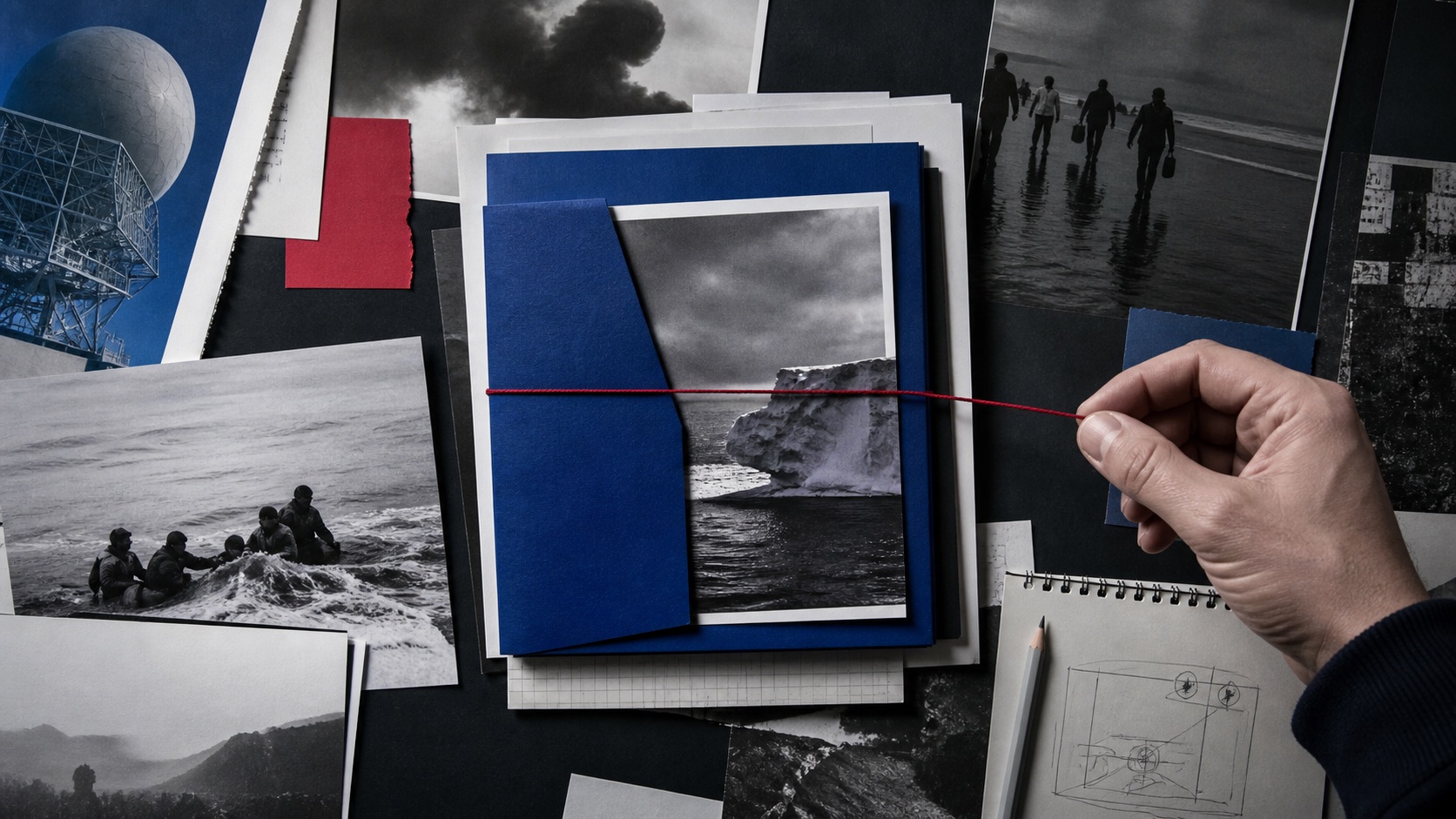
Key takeaways核心要点
- Choose one entry point rather than summarising every subplot.
- Use concrete stakes in copy, not exaggerated labels.
- Check that the package remains true after the first episode.
A series package has a hard job: it must be brief enough to scan and rich enough to be fair. The usual failure is not too little information; it is compression without judgment. A description that lists every character, twist, and theme can be accurate yet unreadable. A description that calls everything “unmissable” may be short but says nothing. Packaging works when it selects a doorway into the work rather than attempting to replace the work.
That doorway should be chosen from the story’s actual center of gravity. It might be a relationship under pressure, an unusual setting, a moral decision, or a change that begins the first episode. It should not be chosen merely because a familiar genre phrase is easy to sell. Familiarity has value, but a misleading shortcut creates a debt the opening must repay.
Find the story’s public shape
Before writing a headline or dek, make a small inventory. What does the viewer meet first? Which conflict keeps returning? What feeling is the series inviting: suspense, warmth, discomfort, curiosity, release? These questions separate the public shape of the story from the private notes that helped make it.
For example, an unpublished serial about a night-shift radio host could be packaged through the callers, the host’s concealed grief, or the city after midnight. Each choice is true, but each sets a different expectation. The editorial team should choose the one that the first installment can honor. Calling it a supernatural mystery when the uncanny element does not appear until much later may create initial interest at the cost of trust.
Use detail instead of inflation
Specific nouns and verbs carry more weight than broad superlatives. “A courier keeps delivering letters from a closed address” tells a reader where to look. “A gripping journey of secrets and destiny” does not. Specificity need not reveal plot turns; it makes the material imaginable.
Tone matters as much as plot. A sleek thumbnail and frantic copy can misrepresent a gentle comedy. A soft, domestic image paired with a description of institutional corruption can undersell tension. Compare the title, visual treatment, and language as a set. Ask what emotion they collectively promise, then check whether the early scenes support it.
Leave room for discovery
Reducing a story often happens when a package answers questions the series has carefully staged. The solution is not vagueness. Name the pressure, but leave its resolution open. Describe a choice, not its outcome. Give a character’s role, not the explanation for every contradiction.
Build a short “do not disclose” list with the editorial notes: identity reveals, reversals, late-arriving premises, and images whose meaning depends on context. This list helps a writer avoid accidental spoilers while still speaking plainly. Packaging then becomes a durable invitation: it tells viewers what kind of encounter awaits, and lets the encounter do the rest.
One final safeguard is to compare the package with a sentence written by the story team about what they most hope a first-time viewer feels. The public version does not need to repeat that sentence. It should make the feeling possible. When the two documents point in opposite directions, revise the package before introducing more promotional language.