Streaming Distribution流媒体与发行 · Analysis分析
How to Prepare a Story for Multiple Windows
Preparing for several viewing contexts means protecting the story’s core information while adapting the package around it.
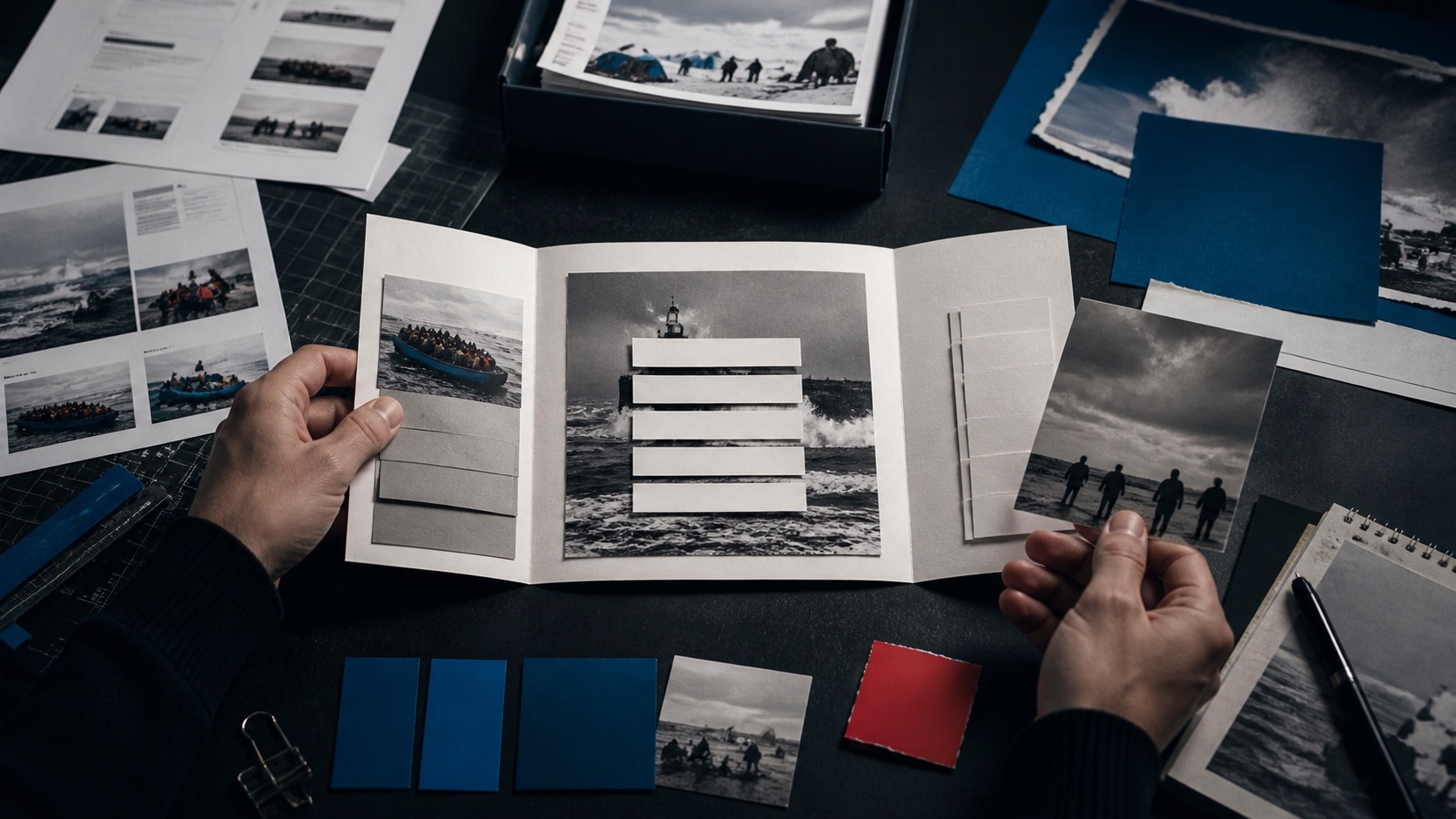
Key takeaways核心要点
- Separate immutable story facts from surface-specific editorial treatments.
- Prepare alternate sizes and descriptions without creating alternate identities.
- Track approvals, credits, and disclosures alongside creative assets.
Multiple windows do not require multiple versions of a story’s identity. They require a clear distinction between what must remain true and what can change with the viewing context. A series may need a compact card, a long-form landing page, a vertical image, a horizontal image, a brief description, and a fuller editorial note. Those are different containers, not different premises.
The risk is drift. A team writes each surface separately under deadline, and the same project begins to sound like several unrelated works. One version is positioned as light entertainment, another as social commentary, another as a mystery. None may be individually false, yet the collection prevents a viewer from forming a stable expectation.
Establish an invariant record
Before adapting anything, document the facts that should not move: approved title, episode order, core premise, credited contributors, content notes, primary category, and material that must remain confidential. Then identify flexible elements: image crop, description length, headline emphasis, card order, or optional secondary tags.
An unpublished series about a student restoring old recordings might use a close-up archival image in a compact card and a wider scene on a dedicated page. Both visuals should lead toward the same atmosphere and protagonist. The short copy may name the task; the long copy may explain the personal cost. Neither should claim events that the series does not depict.
Adapt the package, not the truth
Create a small asset set with a reason for each version. A narrow image should preserve a recognizable focal point when cropped. A short description should retain the tension that makes the story distinct. A longer description can add setting and emotional register. Do not solve every constraint by shrinking text until it becomes generic.
Review each adaptation beside the others. Can a reader tell it is the same series? Do the category and content notes agree? Does the visual treatment still respect the tone? These questions catch accidental changes in meaning earlier than a final upload review.
Keep permissions in the package
Distribution preparation also includes nonvisual facts: approved credits, music or footage restrictions, required disclosures, territory or timing instructions if they exist, and contact ownership for corrections. Keep them in the same working record as the creative assets, even if they are not displayed publicly. An asset without its usage context is easy to misplace.
This is not a claim that every destination asks for the same fields. Requirements vary. The durable practice is to know which elements are fixed, who may approve changes, and how to return to a canonical version when a new context needs a different presentation.
Before a new use, perform a small comparison rather than a blind export. Place the adapted image and copy beside the original record and ask what has changed in emphasis, mood, and factual meaning. If a crop removes the only recognizable subject or a shortened dek erases the conflict, create a deliberate alternative instead of accepting accidental reduction.
Name those alternatives clearly. “Compact synopsis” and “portrait crop” are safer labels than generic final-file names, because they preserve the reason each version exists for the next editor.