Story Craft故事技法 · Analysis分析
The Value of a Specific Point of View
Point of view becomes vivid when it governs what a scene notices, misunderstands, and cannot afford to admit.
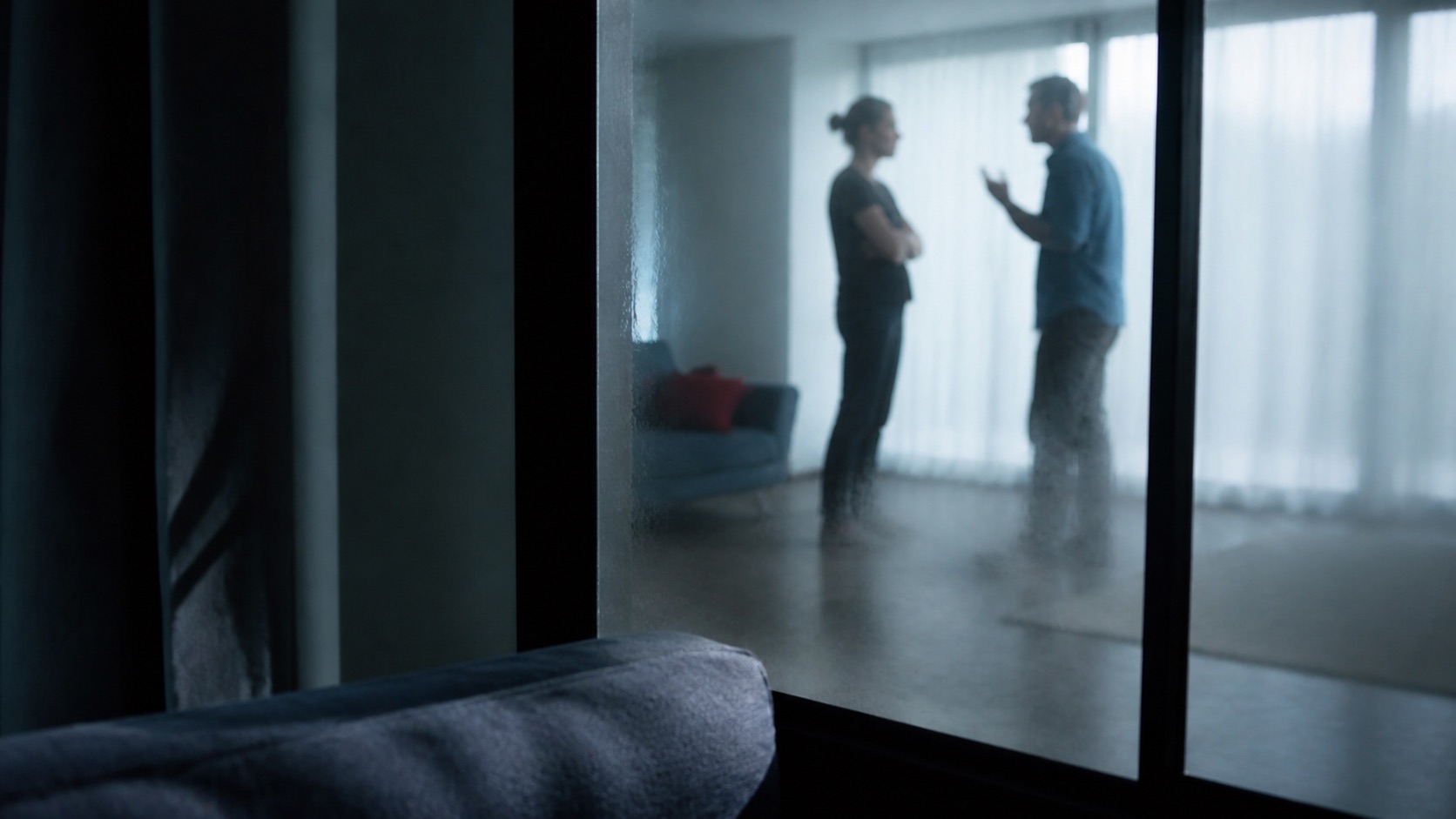
Key takeaways核心要点
- Choose a viewpoint with desires, blind spots, and access that shape the material.
- Filter detail through what the viewpoint character needs or fears.
- Use limits of knowledge to create tension without confusing the immediate action.
Point of view is more than a camera position or grammatical person. It is a set of permissions and distortions. A scene changes when told through someone who needs one detail to mean safety, regards another detail as a threat, and cannot see the whole room. Specificity comes from those pressures, not from adding an unusual voice to otherwise neutral information.
Give the viewpoint a stake in attention
Ask why this person notices this moment. A nurse entering a waiting room, a teenager outside a locked club, and a landlord reading a repair request will each scan for different evidence. Their priorities decide which details receive weight. The viewpoint becomes active when observation is tied to a need rather than to authorial description.
Imagine an unpublished story about a family meal seen through the youngest adult child. She notices who has taken which chair, whether the good plates are out, and how long her father takes before answering. Her older brother may notice only the food and the jokes. Neither perspective is a complete account, but each creates a different set of questions about the same event.
Specific point of view also changes what is omitted. The daughter may avoid looking at a closed bedroom door because it carries a memory she cannot yet name. That omission can be more revealing than a general statement that the house feels tense.
Use limits as dramatic material
Limited knowledge should create an actionable gap, not an arbitrary blackout. The viewpoint character can misunderstand a gesture, miss a private conversation, or draw the wrong conclusion from available evidence. The audience stays engaged when they know what the character is trying to determine and why the answer matters now.
For example, the daughter sees her father delete a message but cannot read it. The useful question is not simply what the message contained. It is whether she will confront him, search for proof, or change her behavior based on a suspicion. Her limited access pushes a choice.
Do not use point of view to conceal information the scene must provide in order to make sense. A viewer may not know the whole history, but they should understand the immediate relationships, task, and risk. The limit should sharpen attention, not remove the floor beneath it.
Let perception evolve with the story
The same location can feel different after new knowledge arrives. A kitchen that first appears orderly may later reveal careful control; a repeated phrase that sounded affectionate may gain a coercive edge. This shift is one of point of view’s strongest tools because it lets the world change without changing the set.
On revision, choose two or three recurring details and ask how the viewpoint character reads them at different stages. If their interpretation never alters, the perspective may be decorative. If every interpretation reverses, the story can feel manipulated. Aim for developments that arise from a changed relationship or new responsibility.
A specific point of view does not make a story smaller. It gives broad material a human route into the audience. The more clearly we understand what one person can see, wants to see, and refuses to see, the more charged the unseen parts can become.