Short Drama短剧 · Opinion观点
When a Reaction Shot Does the Storytelling
A reaction shot earns its place when it changes how viewers read the next action. It is not a decorative pause after dialogue.
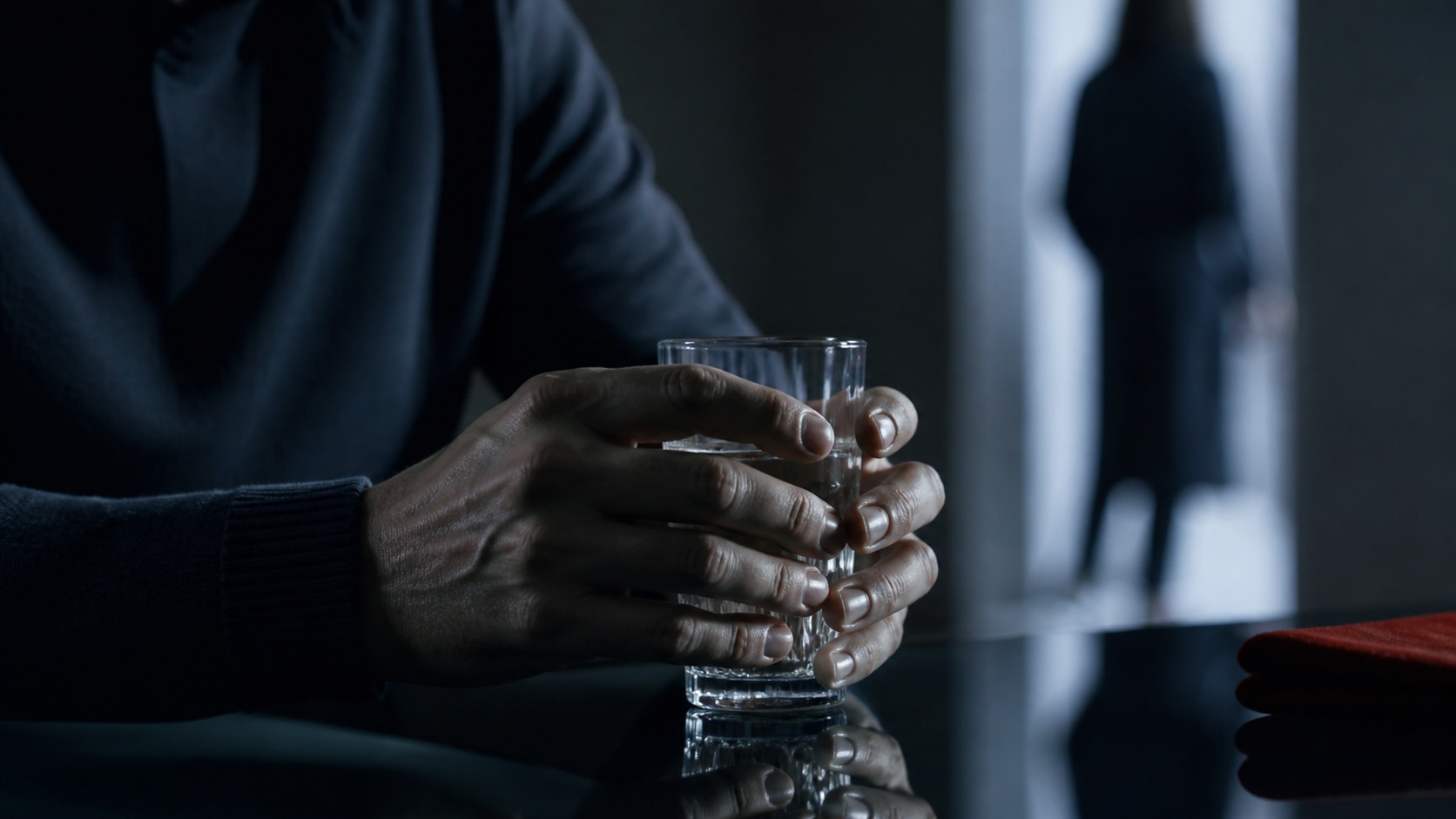
Key takeaways核心要点
- Cut to a reaction when private understanding changes the next choice.
- Give performers a precise thought or calculation to play, not a generic emotion.
- Release the shot before it becomes an explanation of the scene.
Short drama has little room for redundant explanation, which makes a reaction shot unusually valuable. A face can tell the viewer that a line has landed differently than it sounded, that a character is revising a plan, or that an apparently harmless detail has reached the wrong person. But a reaction is not automatically narrative. If it only confirms the emotion already stated in dialogue, it may slow the episode without deepening it.
The question is not whether a performer looks expressive. The question is whether the audience needs to see a private calculation before the next public action. When the answer is yes, a reaction can replace several explanatory lines.
Give the look a job
Before filming or cutting to a reaction, describe the change in an active verb. A character may decide, recognize, doubt, conceal, or misread. “She is upset” is too broad to guide a useful shot; “she realizes the invitation was not meant for her” gives the actor and editor a sequence to build.
Take a hypothetical café scene. A server hears a regular customer say that a missing receipt has been found. The server smiles politely, then sees the receipt’s date. The important reaction is not shock for its own sake. It is the instant in which the server realizes their earlier explanation can now be checked. A brief look toward the kitchen door tells the audience where the next choice will go.
That shot earns its runtime because it transfers information between the line and the action. Without it, the server’s sudden move to the kitchen may seem arbitrary. With it, the viewer follows a new intention.
Shape the duration around discovery
Reaction shots tend to fail at opposite extremes. A flash of an eye movement can be too slight for the viewer to register, while a prolonged close-up can turn a clear beat into a demand for significance. The right length is the time required for recognition plus the first adjustment. In practice, that may be only a breath.
Sound and framing should support the same thought. Cutting all ambient sound can make every reaction feel like a major reveal, even when the story needs something subtler. Keeping the room alive while narrowing the frame may better convey a private calculation. A glance does not need a musical underline if the following action proves what it meant.
Editors can test this by removing the shot and watching the join between adjacent actions. If the sequence still communicates the character’s change, the reaction may be optional. If the join becomes puzzling, the shot is doing structural work. If the scene becomes merely faster but less legible, preserve the look and trim elsewhere.
Avoid making every face a verdict
Not every line requires a response insert. Constantly cutting to listeners can flatten distinctions between ordinary friction and a genuine turn. Reserve close observation for moments where a character learns something they cannot openly acknowledge, or where their restraint creates a new risk.
This restraint is especially important with a small cast. When viewers have learned a person’s habits, one withheld answer or misplaced smile can carry accumulated meaning. The reaction becomes specific because the story has given it a history, not because the camera announces it as important.
The best reaction shot invites the viewer to do a little work. It offers evidence of a change, then lets the next behavior confirm or complicate that reading. Used that way, it is not a pause from the story. It is the moment the story passes through a character before moving again.