AI ProductionAI 制作 · Industry Overview行业概览
Keeping Human Taste Inside an AI Workflow
Taste is not a final polish pass; it is the chain of judgments that tells a workflow what belongs and what does not.
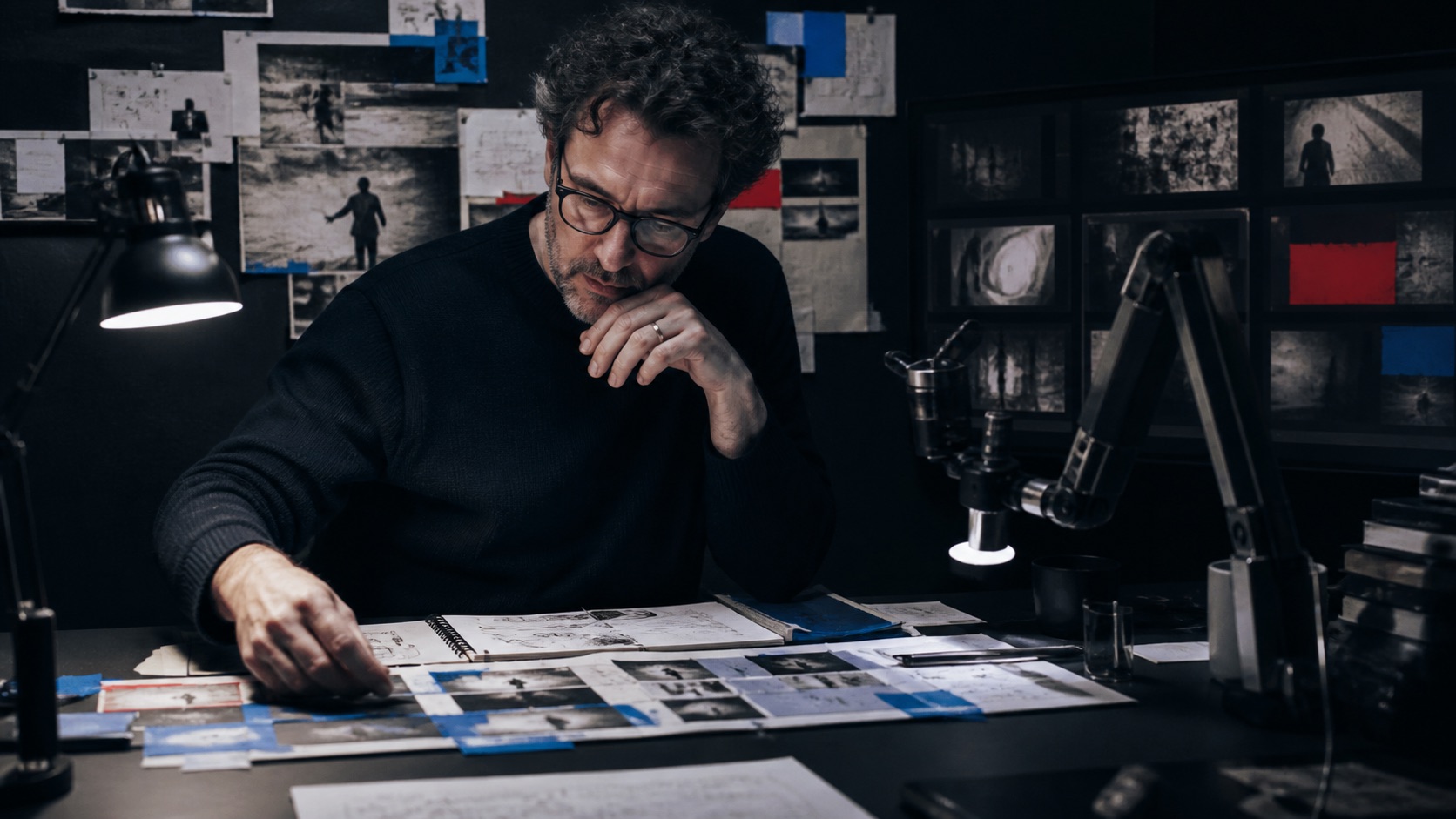
Key takeaways核心要点
- Name editorial taste before a workflow starts producing options.
- Assign people, not tools, to approve tone, reference boundaries, and final selection.
- Use rejection notes to make recurring judgment visible to collaborators.
Taste can sound mysterious when a production schedule is tight. In practice, it is a sequence of observable judgments: this image is too literal, that line gives away the turn, this reference carries baggage the story does not need. An assisted workflow becomes less useful when those judgments are postponed until the end. By then, a team may have accumulated attractive but incompatible material and no shared language for removing it.
Human taste is not an ornament applied after output is generated. It establishes the brief, defines what counts as a useful surprise, and decides whether a result fits the story’s point of view. A tool may produce options within a description, but it does not hold responsibility for the emotional promise a viewer receives. That responsibility stays with the author, director, editor, and whoever has been assigned approval.
Write a taste brief before asking for material
A taste brief need not be long. It can name the desired distance from the character, the emotional temperature, the role of humor, and a few things to avoid. “Close but not confessional” is a more operational instruction than “cinematic.” “The room should feel lived in, not picturesque” gives a visual reviewer something to test. These phrases are not universal rules; they are temporary decisions for one project.
Keep references descriptive and accountable. A board can identify qualities such as narrow framing, interrupted gestures, or a faded afternoon palette without asking a system to reproduce a specific artist’s signature. Where references come from, note them. If a reference is not appropriate to reuse or cannot be described without copying its distinctive expression, remove it from the working set. The point of a board is to sharpen language, not to license resemblance.
Make rejection a first-class output
Teams often save only their selected images, beats, or prompts. Saving a brief rejection reason can be more valuable. “Too polished for a character who is hiding exhaustion” teaches the next reviewer something about the project. “The composition makes the secondary character look decorative” identifies a narrative problem that a new variation should address. These notes turn individual taste into a legible editorial practice without reducing it to a formula.
Consider a hypothetical sequence of generated location studies for a night-shift pharmacy. The chosen image might not be technically neatest. It may have the right awkward fluorescent glare, enough negative space for a character, and no borrowed-looking visual shorthand. The selector should explain those reasons in their own words. The selection is a human decision; the image is merely one candidate considered under that decision.
Protect the last word
Set clear review gates: exploration, selection for further work, and final approval. At each gate, someone with editorial authority should be able to stop the process. This avoids the common pattern in which convenience becomes a silent decision-maker because a result is already available. A quick result deserves the same scrutiny as a slow one when it will shape a character, audience expectation, or public-facing page.
Keeping taste inside the workflow does not mean rejecting assistance. It means giving assistance a job that can be evaluated: generate contrasts, organize questions, or help a team see missing possibilities. The human team retains authorship of the language and choices, and it retains approval of every asset used. That division makes a workflow both more honest and more creatively flexible.